





Purwokerto – Literacy remains a fundamental issue in Indonesia’s education sector. Reading and writing abilities in this country are relatively low and have not yet become an ingrained habit in society, particularly in special education schools. The rapid development of communication technology that enables access to information from various sources has made books no longer a priority as a source of information and knowledge for the public.
This situation is worsened by the dominance of oral communication culture in Indonesian society, which prefers watching television programs or content on social media such as YouTube over reading (Jalaludin, 2021). Yet, reading culture is often used as a measure of a nation’s progress and civilization (Putra, 2008).
Reading should be an activity that needs to be enhanced because it can broaden perspectives, expand knowledge, and provide important information from various sources such as books, newspapers, and magazines. Moreover, reading is part of preparation for facing future challenges.
According to Gong and Irkham (2012), one of the causes of low literacy culture in Indonesia is the limited number of books. This was also mentioned by the Minister of Education, Culture, Research, and Technology, Nadiem Anwar Makarim, who stated that low reading interest is caused by the lack of availability of interesting reading materials for students.
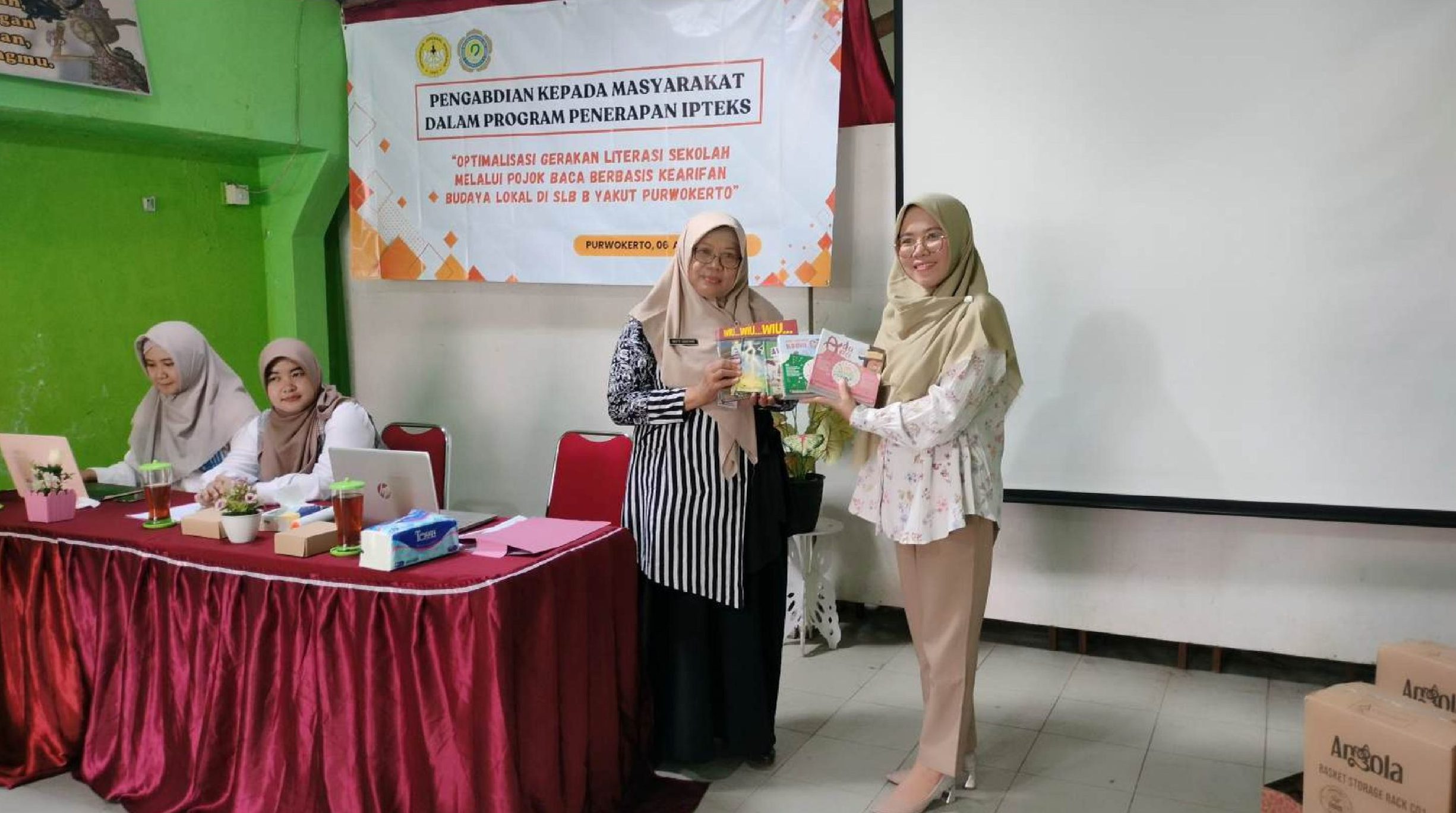
As an effort to improve youth literacy, the Ministry of Education, Culture, Research, and Technology launched the Merdeka Belajar Policy Episode 23: Quality Reading Materials for Indonesian Literacy. This program aims to provide quality reading materials as a concrete step to improve literacy. The success of this program requires support and cooperation from various parties, including schools. School principals, teachers, librarians, and school community members play an important role in implementing this program.
In implementing this program, schools are required to be creative so that the Quality Reading Materials Program can be felt by students. With quality books from the Ministry, it is hoped that teachers will be motivated to activate “Reading Corners” in each classroom. Through this initiative, students are expected to be encouraged to develop a stronger love of reading.
Reading Corner, as explained by Nur Indah Sholikhati, Lecturer of Pendidikan Bahasa Indonesia, is a corner of a room that provides educational and knowledge books that can be read by students. This space is often decorated with student works such as paintings, drawings, or handicrafts to enhance its appearance. Reading Corners have many benefits, including stimulating reading interest, improving thinking abilities, bringing books closer to students, and helping the library in promoting literacy culture in schools.
The uniqueness of this school literacy movement optimization program lies in its focus not only on creating reading corners, but also on inviting students and teachers to actively participate in managing the reading corners.
The role of parents is also very important in supporting children’s literacy competence. Cooperative communication between teachers and parents is greatly needed, because good interaction between them can create an optimal learning environment for students.